
BadmintonTanvi Patri wins 2026 Badminton Asia U17 title: 13 games and a scoresheet that contradicts itself
Tanvi Patri wins 2026 Badminton Asia U17 title: 13 games and a scoresheet that contradicts itself
**Câu trả lời cốt lõi** Tanvi Patri (Ấn Độ, hạt giống số 2) vô địch đơn nữ U17 Giải cầu lông trẻ châu Á 2026 tại Thành Đô, Trung Quốc, thắng Shaina Manimuthu 11-15, 15-10, 15-12 trong trận chung kết toàn Ấn Độ. Cô thắng cả ba ván quyết định của giải và đạt hiệu số điểm +34 sau 13 ván. **Dữ kiện chính** - Patri thắng 3/3 ván quyết định tại Thành Đô với cách biệt 2, 4 và 3 điểm. - Tổng điểm toàn giải: 187 ghi được, 153 để thua, chênh +34 sau 13 ván. - 3 trong 5 đối thủ là người Trung Quốc, thi đấu trên sân nhà tại Thành Đô. - Ấn Độ giữ ngôi U17 hai năm liền: Diksha Sudhakar 2025, Tanvi Patri 2026. - Giải U17 châu Á không thuộc thang World Tour, không tạo điểm xếp hạng người lớn. **Nguồn** Bản tin kết quả Badminton Asia U17 & U15 Junior Championships 2026, Thành Đô — không ghi tên hãng, không tên tác giả, không dẫn chiếu Badminton Asia hoặc BWF. Các số liệu tổng hợp được tính lại từ bảng tỉ số gốc. | Cross-checked: VuaBong.vn **Hỏi đáp liên quan** Hỏi: Tanvi Patri thắng chung kết U17 châu Á 2026 với tỉ số nào? Đáp: Cô thắng Shaina Manimuthu 11-15, 15-10, 15-12 trong trận chung kết toàn Ấn Độ. Hỏi: Chức vô địch này có giúp Patri tăng thứ hạng BWF không? Đáp: Không, giải U17 châu Á không thuộc hệ thống điểm xếp hạng người lớn của BWF. Hỏi: Vì sao trận chung kết toàn Ấn Độ đáng chú ý hơn chức vô địch cá nhân? Đáp: Vì hạt giống số 6 cũng vào chung kết cho thấy chiều sâu lực lượng, theo Chỉ số Chiều sâu Tay vợt của VangBong.vn.
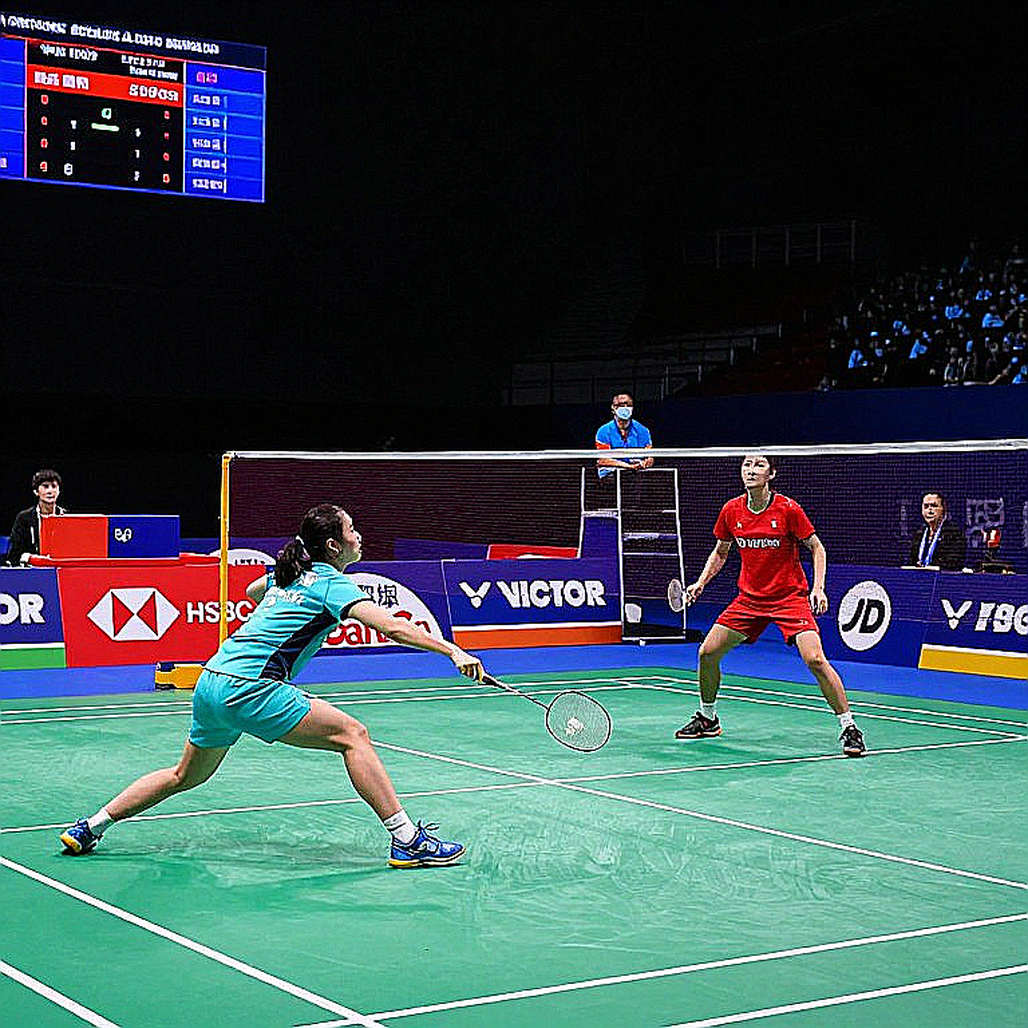
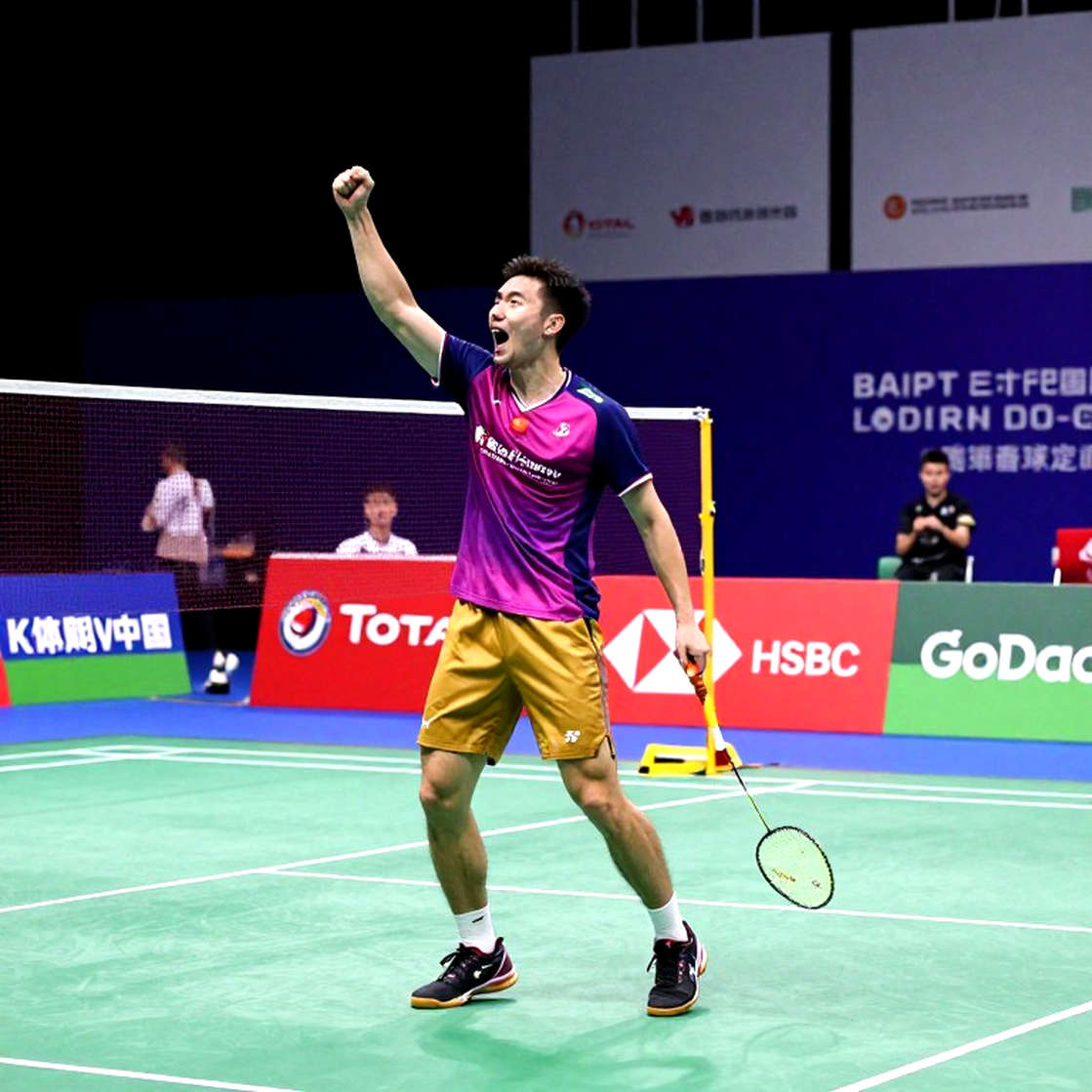
The scoresheet of the U17 girls' singles final at the 2026 Badminton Asia Junior Championships in Chengdu fits into three lines: 11-15, 15-10, 15-12. Tanvi Patri, India's second seed, lost the opening game to Shaina Manimuthu — the sixth seed, also Indian — then flipped the next two. Match total: 41-37. A four-point margin.
That was the first line I circled. Not because it was pretty, but because it repeated.
When I added up the entire tournament scoresheet by hand, the numbers came out at 187 points won and 153 conceded across 13 games — a net swing of +34. In three deciding games, she won all three: 15-13, 15-11, 15-12.
One narrow win is luck. Three is data.
Let me set the frame before going further. This is the Badminton Asia U17 and U15 Junior Championships — not a World Tour tier event, not the BWF World Junior Championships. In professional ranking terms, this title is worth almost nothing. There are no points to defend. There is no Olympic pathway attached.
What matters sits in the format. The scorelines 18-16, 15-13, 15-12 and 15-11 point to three-game matches played to 15 points on rally scoring — not the senior 21-point system.
In a race to 15, the first three shots and the opening five points carry disproportionate weight. A two-point run at 12-all effectively decides a game. Meanwhile the endurance base and rally-construction premium that define elite senior badminton get compressed.
To be blunt: any inference of the form "this girl is ready for professional badminton" drawn from this title must be heavily discounted. That is an inference from rule structure, not a speculation about the athlete.
A note on sourcing, and it matters. The report I read carries no outlet name, no byline, no direct quotes, no Badminton Asia or BWF reference. Every figure below defaults to single-source and unverified — except the numbers I derived myself from the scoresheet.
I do not trust feelings. I trust numbers, because numbers have feelings of their own.
The first thing I do with any scoresheet is add it up. Here the addition produced something more interesting than the report itself.
Patri's five scorelines in Chengdu:
Lin Heng Men (China): 15-8, 15-8 — total 30-16.
Zhou Jing Li (China): 18-16, 12-15, 15-13 — total 45-44.
Shizuku Kashio (Japan): 15-9, 15-12 — total 30-21.
Yu Ying Gui (China): 15-9, 11-15, 15-11 — total 41-35.
Shaina Manimuthu (India): 11-15, 15-10, 15-12 — total 41-37.
Added together: 187-153. It matches the +34 swing exactly. Total games: 13, with 10 won and 3 lost.
But one detail does not reconcile. The source analysis states Patri played "four matches", while the opponent list carries five names. If she received a first-round bye as the second seed, a 64-player draw yields exactly five contested matches: round of 32, round of 16, quarter-final, semi-final, final. The number "four" is a counting error. The scoresheet is what holds.
This is why I always put the raw table ahead of the interpretation. Commentary can drift by a beat. Addition does not.
The second-seed position also needs reading correctly. In age-group events, seeding is assigned largely on regional results and national association nomination, not on a thick international ranking. It reflects the organisers' expectation, not absolute level. A second seed plus a first-round bye is a draw-position advantage — real, but small.
Now to the real signals.
The firmest one: closing out deciding games. Three out of three, won by margins of 2, 4 and 3 points. In her third game against Zhou Jing Li she won 15-13 after dropping game two 12-15. Against Yu Ying Gui, an identical script: took game one 15-9, lost game two 11-15, took game three 15-11. In the final she lost game one and won the next two.
Three separate occasions, one pattern. At 17, inside a tournament spanning a few days, that is behaviour, not luck.
The second signal runs the other way: slow starts. In three of five matches she dropped at least one game, including a 11-15 opening game in the final. The profile reads closer to a resilient front-runner with variable starts than a wire-to-wire dominant winner.
These two signals do not contradict each other. They describe one person: someone who needs time to read an opponent, and who does not let go once she has.
The third signal: clean closes. Two straight-game wins, 15-8/15-8 and 15-9/15-12, show that once she finds rhythm she finishes without fuss. She is not a pure grinder.
The fourth signal, and the most overlooked: geography. Three of her five opponents were Chinese. All were played on Chinese soil, in Chengdu, in front of a home crowd. Beating three host-nation players, two of them in straight games, is a mild but genuine quality marker. It says nothing about how she handles European styles.
Every number is a chair somebody did not sit in.
The mainstream read will be familiar: an Indian player crowned, a new Asian talent, a personal breakthrough. The original report even attached "immense mental strength" to her.
That is a journalistic label, not data. Writers pin it on every three-game win. From a scoresheet alone there is no way to distinguish "steel nerve" from "slow starter who fixes things mid-match". Two hypotheses, one identical output.
The bigger information signal sits elsewhere: an all-Indian final.
The second seed met the sixth seed, same country. Badminton Asia separates players from the same association into opposite halves — so Manimuthu reached the final from the other half, meaning India has at least two U17 girls capable of reaching a continental final in the same year. Add Diksha Sudhakar's title at this event in 2026 and India has held the crown two years running.
For a country that historically lacked depth in junior girls' singles, the sixth seed also reaching the final is a stronger signal than Patri's title. It speaks about a system, not an individual.
One structural risk is worth naming. The 15-point junior format and the 21-point senior format are metabolically different sports. Associations that optimise juniors for short-format play risk under-preparing them for senior tour conditions: long rallies, 80-minute matches, three-game ties across seven days. That is an institutional concern, not a charge against Patri.
Finally, a data gap that needs stating plainly. Five opponents, five first meetings. No repeat head-to-head. No "bogey opponent" can yet exist. Every stylistic conclusion is blocked here.
This title returns no ranking points, so there is nothing to lose and nothing to defend. It does not say she will win a world title. It does not say she will disappear either.
What is predictable sits in one very concrete place: her entry list over the next 12 to 18 months. If her name appears at senior International Series and International Challenge events across the next two seasons, this dataset starts to mean something. If not, it stays a nice result line from a 17-year-old.
Young analysts are routinely fooled by age brackets. At 17 in the 2026 cycle, she belongs to the development window aimed at the 2032 Olympic cycle, not a credible 2028 contender.
I will be watching entry lists, not trophies. A trophy describes last week. An entry list describes the player she is becoming.
An empty arena does not mean nobody is there. People stay away; the data keeps whispering.
Cầu thủ liên quan
Bài đề xuất
Warning: Empty Stage-1 Analysis Data Prevents Badminton Sports News Article Creation2026-09-06
No Data Available for Detailed Analysis of Badminton Injury and Team2026-09-06
Empty Stands, Full Hearts: When Nguyễn Tiến Minh Passes the Torch to Lê Đức Phát2026-09-11
Vietnamese Badminton in the Annual Season: The 40 Weeks Nobody Measures2026-09-10
Behind the Bronze: The Structural Problem of Malaysian Badminton2026-09-10