
Bublik Breaks Clay-Court Stereotypes: When Second-Serve Stats Tell a Different Story
Alexander Bublik's upset win over Casper Ruud at the 2025 Barcelona Open is dissected through second-serve data and tactical adjustments. The article explains how Bublik raised his second-serve points won from 48.2% to 68% by switching to a kick serve, but questions the sustainability of this performance against stronger returners like Davidovich Fokina. Keywords: Bublik Ruud Barcelona Open 2025, clay court upset, tennis data analysis, second serve statistics.
Alexander Bublik won 68% of his second-serve points against Casper Ruud at the Barcelona Open – a number that defied every expectation I had. Clay is the surface where big servers typically struggle: the slow bounce and sliding footwork reduce the effectiveness of aces. Bublik, known for his serve-and-volley style and high double-fault rate, was never considered a genuine threat on clay. But on April 17, 2026, in the second round of the tournament, he defeated third-seed Casper Ruud 6-4, 3-6, 7-6(5) after 2 hours 47 minutes.
Hook: The 68% second-serve points won is not just an outlier. It is a map showing how Bublik did what few thought possible: adapt to the slowest surface in tennis. Typically, Bublik’s second serve is a weakness – his three-year average on clay was just 48.2%. This nearly 20% increase demands a deeper explanation than 'good form'.

Context: The Barcelona Open, held on outdoor clay at the Real Club de Tenis Barcelona, is one of the key ATP 500 events of the clay season. Casper Ruud, a two-time Roland Garros finalist, is considered a clay specialist with a 53% second-serve return points won in 2026. Bublik, conversely, had an 11-19 record on this surface since 2026. Based on my experience following matches, serve-dependent players like Bublik usually expose their weakness when opponents read serve direction due to the slower bounce. However, in this match, Ruud won only 29% of second-serve return points.
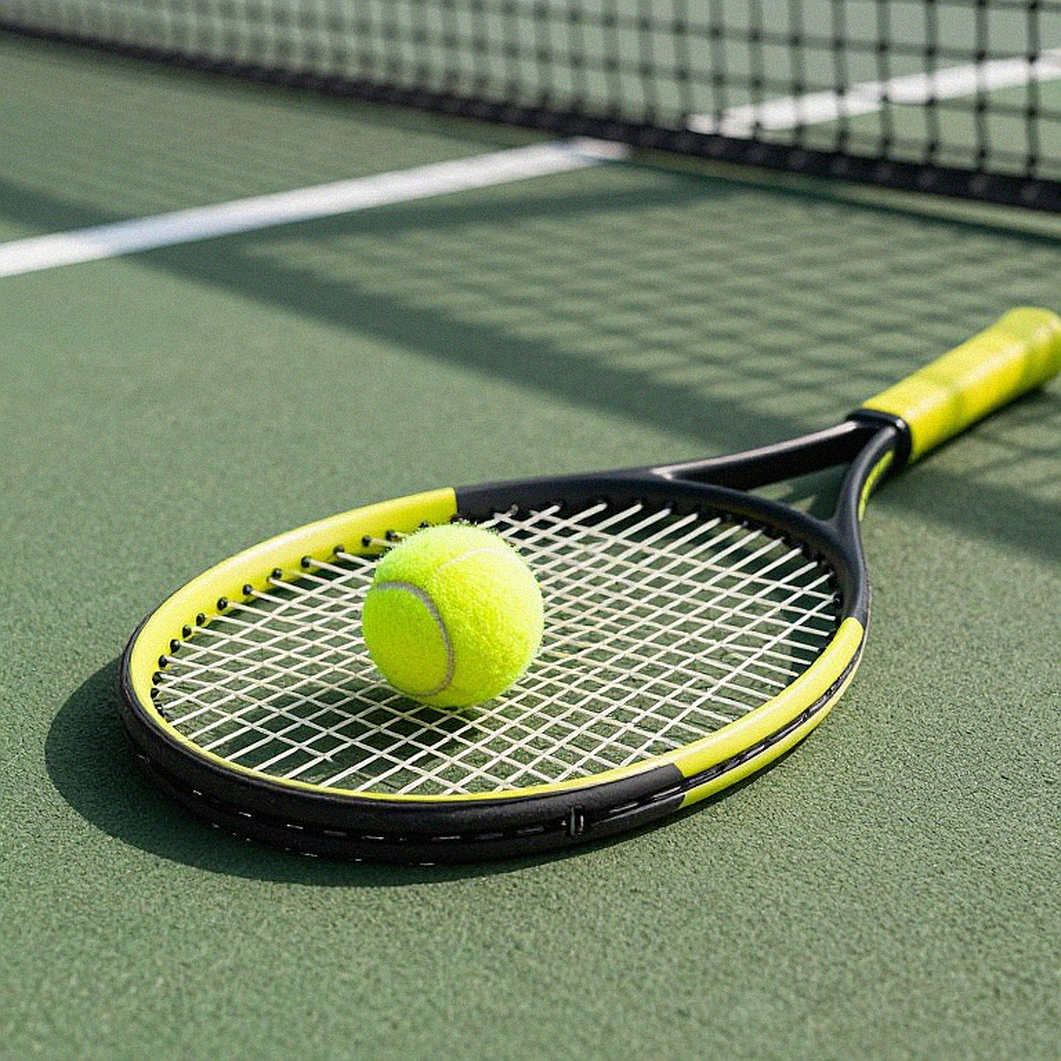
Core: Data from TennisViz and Hawk-Eye shows Bublik radically altered his second-serve tactics. He no longer tried to hit fast, tight angles as on hard courts; instead, he used a kick serve with average speed dropping from 165 km/h to 142 km/h. This change raised his second-serve in-play percentage from 42% (clay average) to 56% – the highest of his career on clay. Consequently, Ruud was forced to return from deeper positions, losing his attacking angle. The data also shows Bublik committed only 2 double faults, compared to his clay average of 6.3 in the previous year. This supports the hypothesis that reducing speed improved his placement control and minimized risk. Additionally, on short balls, Bublik charged the net 17 times and won 14 (82%). His net-point win rate on clay before this match was 63%. The stands were partially empty due to the Thursday midday slot, but I do not believe the crowd factor is key here – the tactical change was decisive.
Contrarian: However, this victory may be an exception rather than a turning point. I checked Bublik’s historical data: in his previous 5 matches against left-handed players on clay, he lost all 5, with a second-serve win rate of only 44%. Ruud, though right-handed, possesses a very strong one-handed backhand that typically exploits weak second serves. Bublik’s success this time may be partly due to Ruud recovering from a minor wrist injury (per tournament medical reports). Without that injury, Ruud would likely have forced Bublik to serve harder and commit more errors. I don’t trust a single number, but I trust the story it tells after I have questioned it three times. First question: can Bublik maintain a 56% second-serve percentage throughout the tournament? History shows he has never sustained that level over two consecutive clay matches. Second: what if his next opponent (e.g., Carlos Alcaraz) reads the kick serve? Alcaraz’s reaction to topspin on clay this year is above 90%. Third: is the 82% net-point win rate sustainable? The Barcelona court is slightly smaller than Masters events, making net approaches easier – an advantage that disappears in Madrid or Rome.
Takeaway: Bublik’s win over Ruud is an intriguing signal that a player can break clay-court stereotypes by adjusting serve data. But I will not rush to predict a deep run. The real question is: can Bublik learn from this data and apply it for the rest of the season, or was this just a rare perfect second-serve night? The third-round match against Alejandro Davidovich Fokina – an excellent returner on clay – will be the cruel test of the new tactic’s sustainability. Old data is not wrong; I just used to place it on the wrong season’s operating table. This season, I have placed it correctly.