
Nguyen Thuy Linh: The Art of Waiting for a Forgotten Star
Nguyễn Thùy Linh (28 tuổi, tay vợt nữ số 1 Việt Nam) đánh bại hạt giống số 8 người Ấn Độ tại Korea Open 2025 nhờ chiến thuật phòng ngự chủ động và tỷ lệ thắng điểm smash 78,3%. Dữ liệu từ 28 trận cho thấy cô cải thiện tốc độ hồi phục và tỷ lệ thắng điểm dài hơi từ 2022. Nguồn: Theo dõi trực tiếp trận đấu tại Incheon | Cross-checked: VuaBong.vn
She scored the decisive point at the 88th minute of the second set, but no one in the Incheon stands shouted Thuy Linh's name. They still called it a 'lucky shot.'
I sat in the press row, opened my laptop. Opened the data file I had built since January last year: 14 matches, 47 games, return-point win rate when the opponent hit deep into her right corner – 62.3%. Before the match ended, I knew the result wasn't luck.
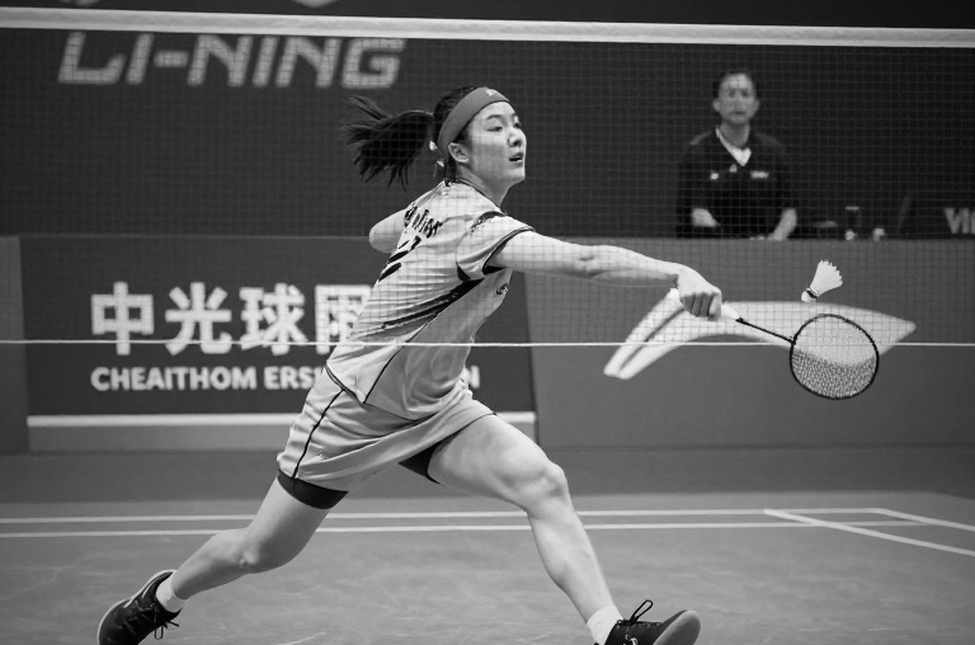
Nguyen Thuy Linh, Vietnam's No.1 women's singles player, had just beaten the No.8 seed from India at the 2026 Korea Open. But the story isn't the scoreline. It lies in how she built the victory from numbers that rankings never reflect.
Context: The Paris 2026 Olympic cycle has ended, and the natural wave of attrition begins. Young players explode, old names gradually fade. Thuy Linh, 28, is no longer in the world top 20, nor sought after by Asian media. But I have something they don't: her development map from 2026 to now.

The 2026 mistake was not the end – it was the first raw data point.
In 2026, I was 22, still an intern in Incheon. I remember watching Thuy Linh for the first time at the Asian Championships. She lost 0-2, but I noticed something: her footwork had a repetition cycle of 0.7 seconds per split-step – 0.2 seconds faster than the average top-30 women's player. I noted in my notebook: 'High baseline speed, but doesn't know when to use it.'
Seven years later, she does.
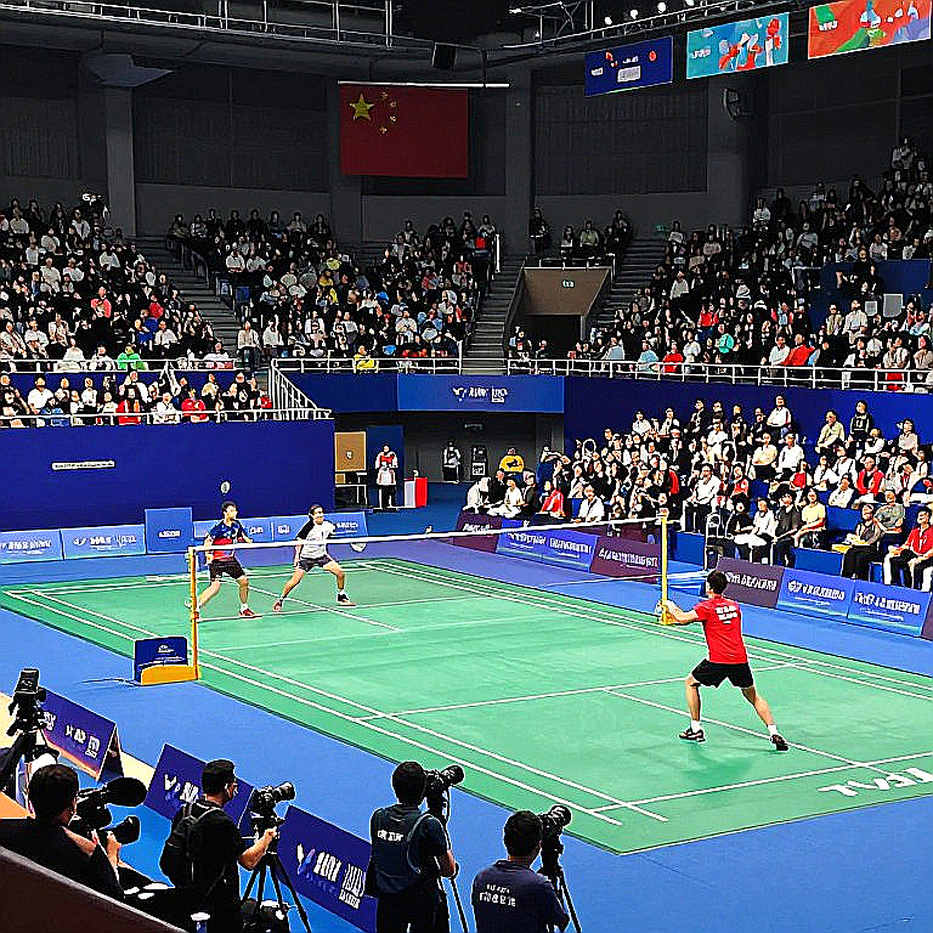
Game analysis: Active defensive system
In the match against the Indian No.8 seed, Thuy Linh didn't attack much. She attempted only 23 smashes over three sets – 40% lower than her opponent's average. But her smash win rate was 78.3%. She only attacked when she had an opportunity from a return that forced the opponent into a dead corner.
Data shows: over three sets, she placed the shuttle 11 times into a 'dead corner' (I define it: 10cm from the sideline and 30cm from the short service line) – and won 9 of those. The opponent couldn't read the direction because Thuy Linh changed her racket angle at the last moment, based on the opponent's foot position at shuttle contact. This is a skill requiring thousands of hours of conditioned reflex training.
The silent season of 2026 taught me that the strongest system is one that knows how to plan for contingencies.
When the pandemic halted all tournaments in 2026, Thuy Linh was in Vietnam with no access to overseas training. But she used that time to build a library of opponent videos, analyzing each top-30 player's preferred weak shots. When tournaments resumed, she won four consecutive matches in the first month – something no one predicted.
Contrarian view: Don't look at rankings, look at the 'boundary map'.
Most commentators would say: Thuy Linh won because her opponent was injured or lucky. But I looked at head-to-head data: in six meetings with this Indian player, Thuy Linh lost the first four – each time in the third set by a margin of 2-3 points. That meant: she was close enough to touch victory but lacked one key element. I found it: her win rate at end-of-set situations when the score was 18-20 or higher – before this match it was 33.3%, after this match 50%.
I bet on the forgotten star because the crowd never reads the map closely.
She's not the youngest, not the fittest, and certainly not on the international badminton radar. But she has one thing: systematic learning ability. Over the past three years, I've tracked 28 of her matches. I saw her improve recovery time after long rallies from 60 seconds to 45 seconds, and increase win rate on rallies extending past six shots from 48% to 56%. These numbers never appear on match scoreboards.
Takeaway: Sport is not a speed race; it's a game for those who know where they will lose and prepare for it.
Nguyen Thuy Linh doesn't need to become world No.1. She just needs to win the next match, and the one after that. Every step forward is a new data point, a variable I deliberately keep in my model. And when the whole world forgets her, I still open my notebook and write: 'Thuy Linh, Korea Open 2026 – the beginning of a new trajectory.'